China’s Transitional Leader
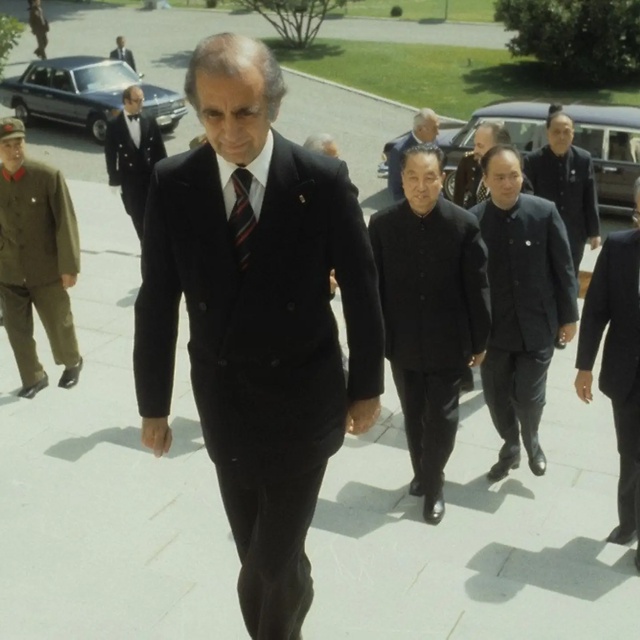
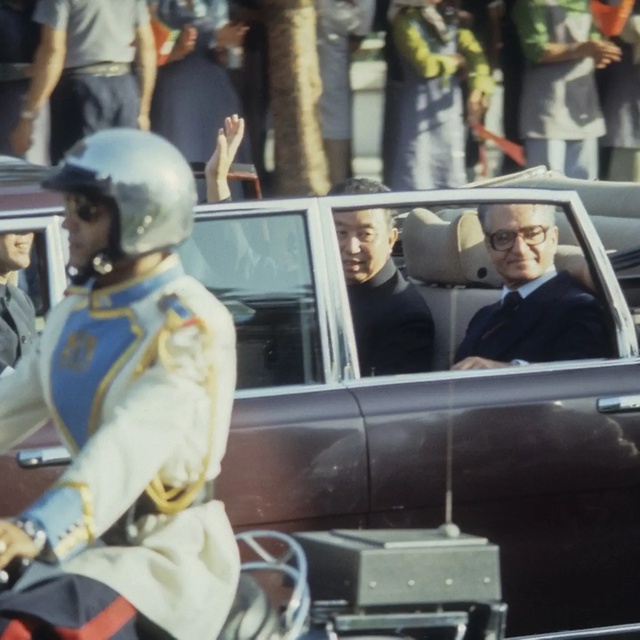
His leadership helped create the conditions for the major reforms and transformations that followed under Deng Xiaoping. Hua Guofeng’s leadership represented a bridge between the revolutionary era of Mao Zedong and the reform period that later transformed China. When he came to power, the country was facing serious economic difficulties, political divisions, and the consequences of prolonged campaigns that had disrupted education, industry, agriculture, and government administration.
Hua inherited a political system that was still strongly shaped by Maoist ideology, and he attempted to restore order while maintaining continuity with the previous leadership. His approach was based largely on preserving the established socialist system, strengthening central authority, and restoring confidence in the government. He believed that national unity and political stability were essential for China’s recovery. At the same time, his leadership faced growing pressure to introduce more practical economic policies and reconsider some of the approaches adopted during the Mao era.