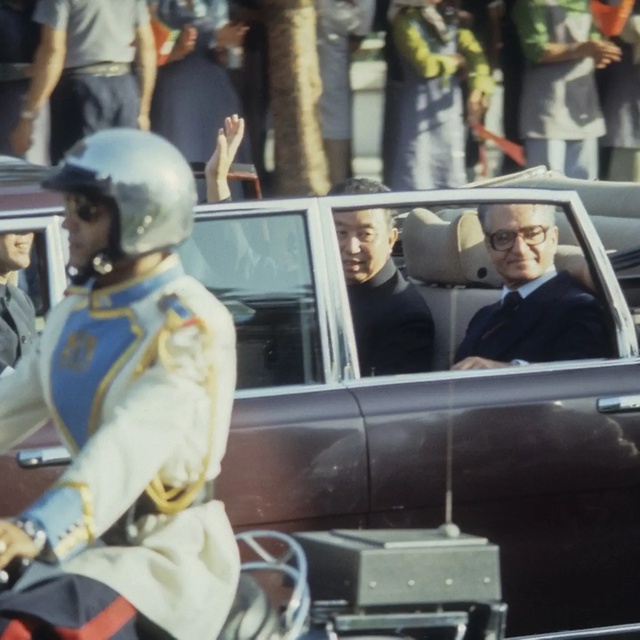
China’s Transitional Leader
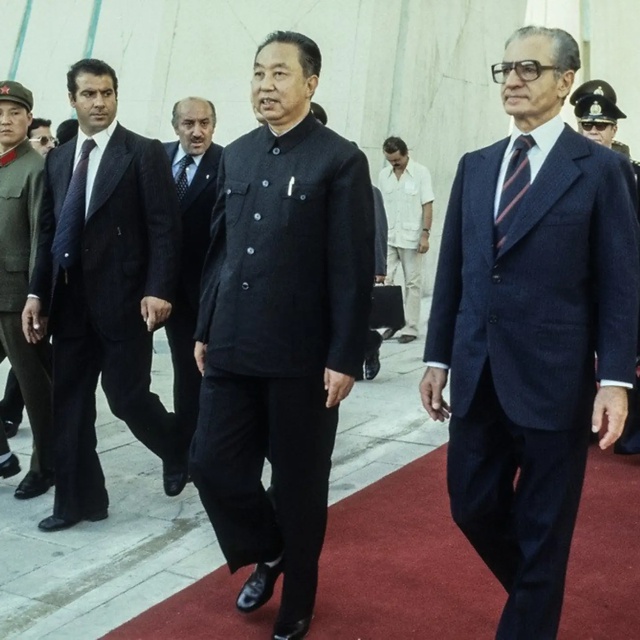
Deng’s influence grew because many leaders believed that China’s economic recovery required new ideas and practical solutions. His emphasis on modernization, efficiency, and development attracted support from officials who wanted to move beyond the political turmoil of previous decades. As Deng’s political position strengthened, Hua’s authority gradually weakened. This change did not happen overnight but through a series of leadership decisions, policy debates, and changes in party positions. Hua eventually stepped aside from his major leadership posts, allowing a new political direction to emerge.
Hua Guofeng’s period in power was relatively brief, but it was historically important because it helped prevent a prolonged succession crisis after Mao’s death. China’s leadership faced the challenge of maintaining political unity while deciding how much of the previous era’s policies should be preserved or changed. His leadership demonstrated the importance of political stability during periods of transition. It also revealed the limitations of relying primarily on personal loyalty and ideological continuity when a country faces significant economic and social challenges.