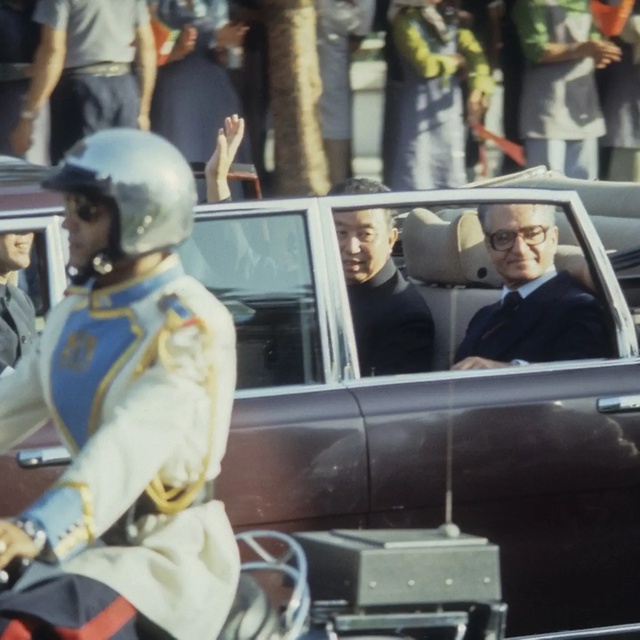
China’s Transitional Leader
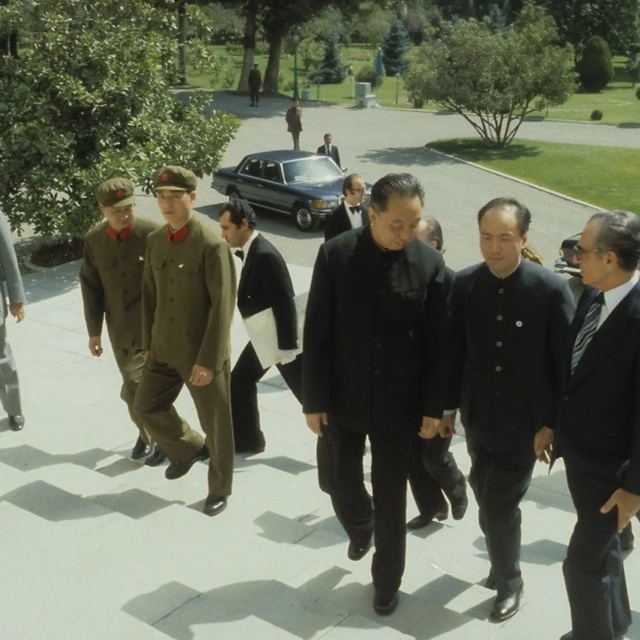
His departure marked the transition toward Deng Xiaoping’s leadership and the beginning of China’s reform and opening-up era. Hua Guofeng remains an important but often overlooked figure in modern Chinese history. His leadership was relatively short, yet it occurred during one of the most critical transitions in the history of the People’s Republic of China. He is remembered for helping end the political dominance of the Gang of Four, maintaining national leadership continuity after Mao’s death, and overseeing the early transition away from the Cultural Revolution. At the same time, his political limitations and inability to consolidate long-term authority allowed Deng Xiaoping to emerge as China’s dominant leader.
Hua’s legacy is therefore closely associated with transition, continuity, and the changing direction of China’s political and economic development. Hua Guofeng was a transitional leader who governed China during the immediate aftermath of Mao Zedong’s death. Although he attempted to preserve Mao’s political legacy while promoting national reconstruction, he was unable to maintain lasting control over the country’s leadership. His role in ending the Gang of Four’s dominance and guiding China through a period of political uncertainty made him a significant figure in the country’s modern history.