women followed fashion trends
This should have been a vast step forward, and it would have been if women had agitated for this decree, but it humiliated and angered many women. Early in the 1940s Reza Shah had abdicated and the laws against wearing the veil had been removed, but a new phenomenon appeared – veils were now viewed as an indicator of low-class status or a backward outlook, and it was thought to be a significant hindrance to women both socially and in the workplace.
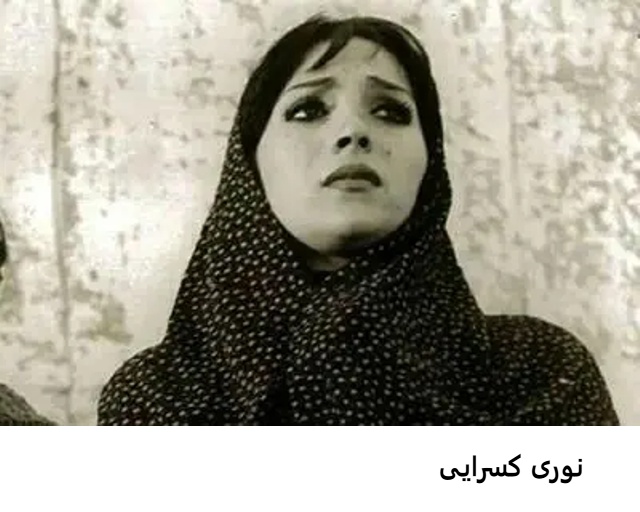
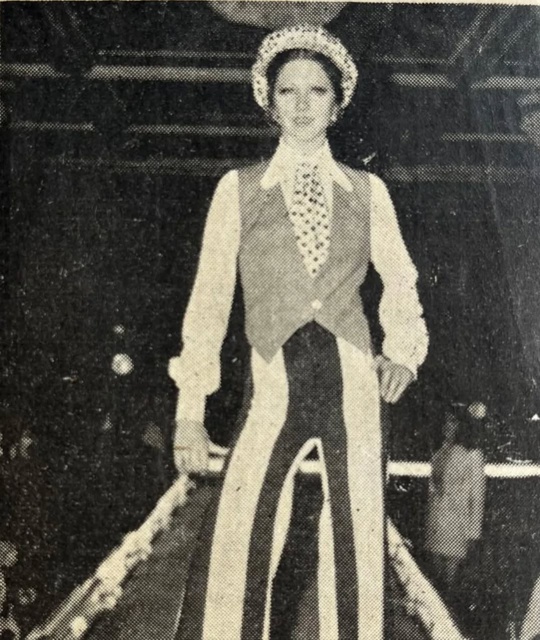
The fashionable woman looked no different from her Western counterpart, with hair in soft curls and makeup worn all over the face. In spite of the view that the veil marked you as backward, many women wore it with pride. Throughout the 1950s and 1960s, a dichotomy appeared in women’s fashion. The wealthy upper classes reflected Western influence while many middle-class women still favored wearing the veil.