Creativity Behind Fashion
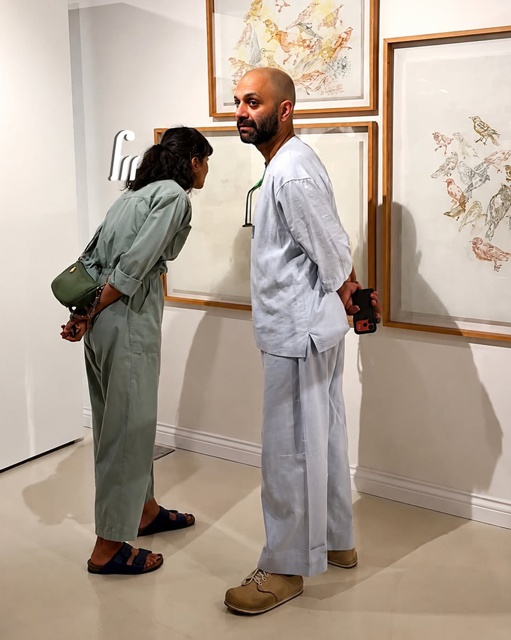
A clothing designer must understand textiles and materials. Different fabrics such as cotton, silk, wool, denim, and synthetic blends each offer unique textures and qualities. Choosing the right material is essential because it affects comfort, durability, and the overall appearance of the finished design. Designers also experiment with colors, prints, embroidery, and decorative elements to create distinctive looks.
After developing initial concepts, designers move to pattern-making and garment construction. Patterns serve as templates that guide the cutting and sewing process. Designers often collaborate with pattern makers, tailors, and manufacturers to ensure that garments fit properly and match the original vision. Samples and prototypes are produced, tested, and adjusted before final production begins.